
Postpartum: Why We Need to Talk About Maternal Mental Health
Bringing home a new baby is often described as one of life's happiest moments. While welcoming a child can bring tremendous joy, it can also bring exhaustion, anxiety, identity changes, physical recovery, and emotional challenges that many parents don't expect.
Social media often highlights the picture-perfect moments of parenthood, but the reality is that the postpartum period can be much more complicated.
Conversations surrounding maternal mental health have become more common in recent years, and for good reason. Postpartum mental health challenges are more common than many people realize.
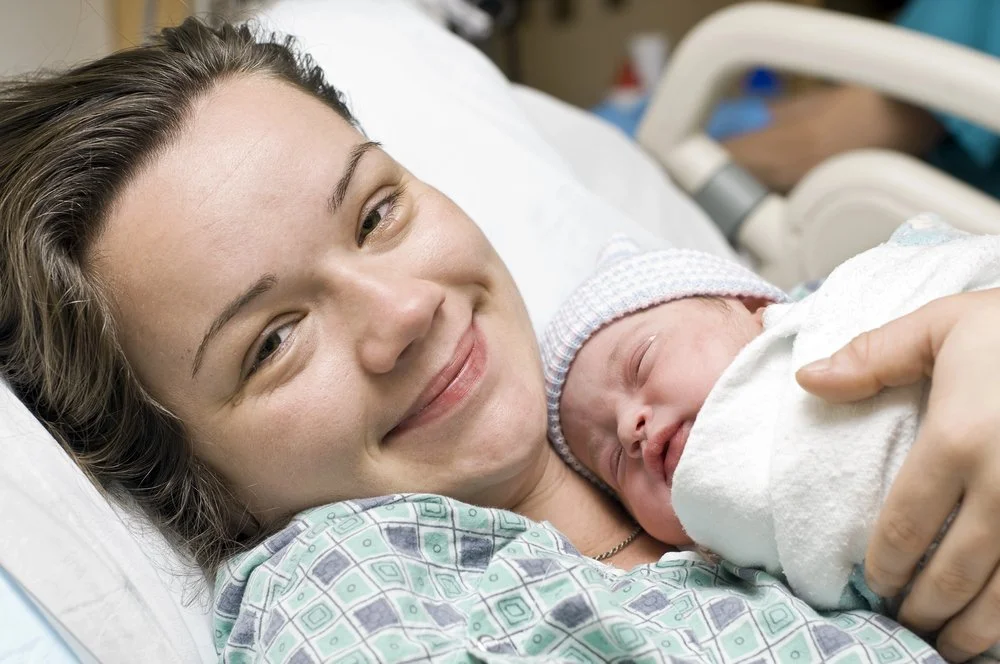
What is the postpartum period?
The postpartum period refers to the time after childbirth when the body, mind, and family are adjusting to significant change.
Hormones shift rapidly. Sleep schedules change dramatically. Daily routines are disrupted. Relationships evolve. Responsibilities increase.
During this period, emotional ups and downs are common. However, when symptoms become persistent, become more severe, or begin interfering with daily functioning, professional support may be needed.
Common postpartum mental health concerns
Postpartum experiences look different for everyone, and symptoms don't always look the way we expect them to.
Some common postpartum mental health concerns include:
Anxiety
Depression
Excessive worry
Irritability
Feelings of guilt
Difficulty sleeping
Feeling overwhelmed
Difficulty bonding with your baby
Changes in appetite
Racing thoughts
Anger or postpartum rage
Resentment toward loved ones
Unexpected feelings of frustration or resentment toward previously loved pets
Feeling disconnected from yourself
Feeling emotionally numb
The "sundown scaries" or worsening anxiety during the evening hours
It's important to remember that postpartum mental health concerns don't always look like sadness. Sometimes they show up as anger, perfectionism, resentment, or feeling completely unlike yourself.
In some cases, symptoms can become much more severe. Confusion, paranoia, hallucinations, or thoughts of harming yourself or others require immediate medical attention.
Sometimes, the people closest to us notice the changes first
One of the challenges of the postpartum period is that changes can happen gradually.
Spouses, partners, close friends, and family members often recognize personality changes, increased anxiety, withdrawal, irritability, or emotional distress before a new parent fully realizes what's happening.
If someone you trust expresses concern about changes they've noticed, try to remain open to the conversation. The people who know us best can sometimes provide valuable insight during difficult seasons.
Seeking help is a sign of strength, not failure
There is a growing conversation about women asking for help and feeling dismissed, unheard, or told that what they're experiencing is simply part of becoming a parent.
While some emotional changes are expected after childbirth, persistent suffering should never be ignored.
You deserve to be taken seriously.
You deserve support.
You deserve care that acknowledges both your physical and emotional wellbeing.
Seeking help doesn't mean you're failing as a parent. In fact, recognizing when you need support is often one of the healthiest things you can do for yourself and your family.
The postpartum period can be beautiful, challenging, exhausting, and joyful all at the same time. Experiencing difficult emotions after welcoming a baby doesn't make you a bad parent. It makes you human.
If you or someone you love is struggling during the postpartum period, please know that help is available. At the Counseling and Wellness Center, located in Parkersburg and Belpre, we take maternal mental health seriously. Our trained professionals are here to listen, support, and help you navigate this season of life.